
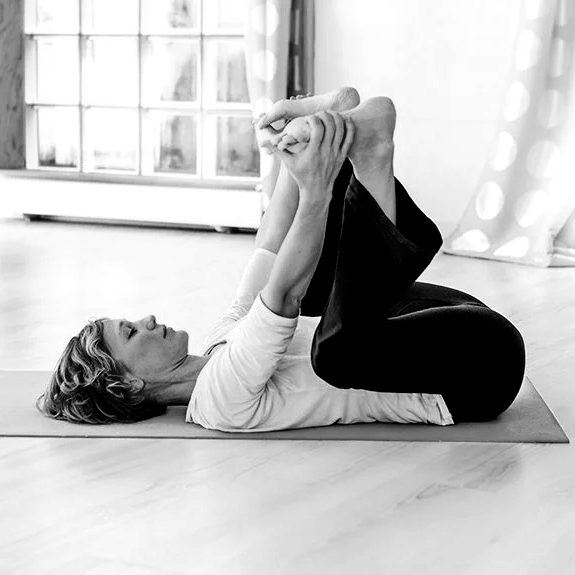
For years I adhered to the militaristic style of ashtanga yoga, with its metronome-precise timing and chanting which I revered but didn’t relate to certain aspects of. Bowing to someone, especially what was likely a man or several men who I didn’t know personally, doesn’t sit well with me personally given today’s culture. When that teacher is said to have been incarnated as half man, half snake, the discussion around literal veracity aside, it’s just not something that resonates. I have long been of the mind that I don’t want to do something that feels inauthentic to me, and I think it is better not to practice something than to do so with lack of understanding. I want to chant what feels culturally authentic, in place, time, and context. I was so grateful as I finally embarked on yoga teacher training to learn that many others feel this way.
I’ve come to find a great appreciation for a modified style of ashtanga, which I will talk about soon as well – but mostly to connect all the lessons I’d learned over two decades, suddenly seeing the constellation in the seemingly disconnected dots. Ashtanga is one of the more dogmatic styles of yoga, and in that one of the most intimidating. In no way am I attempting to emulate or criticize the long line of Ashtangis who have developed the system; rather, I no longer wish to disrespect the lineage by engaging in empty practice. I have decided to adopt my own.
I’d taken yin yoga before at the recommendation of a friend, and found the classroom to be carpeted and full of seniors. I loved this class – it was devoid of the competitive spirit I’d seen elsewhere, and it felt like community and softness. As I’d struggled to maintain a daily yoga practice during my teacher training, juggling various weights and requirements on me, yin has been instrumental in getting me to my mat. On those achy hot days of summer, yin is the perfect antidote, hence the category dessert yoga, including restorative and yoga nidra practices. When you just don’t have anything to give, let yoga give to you.
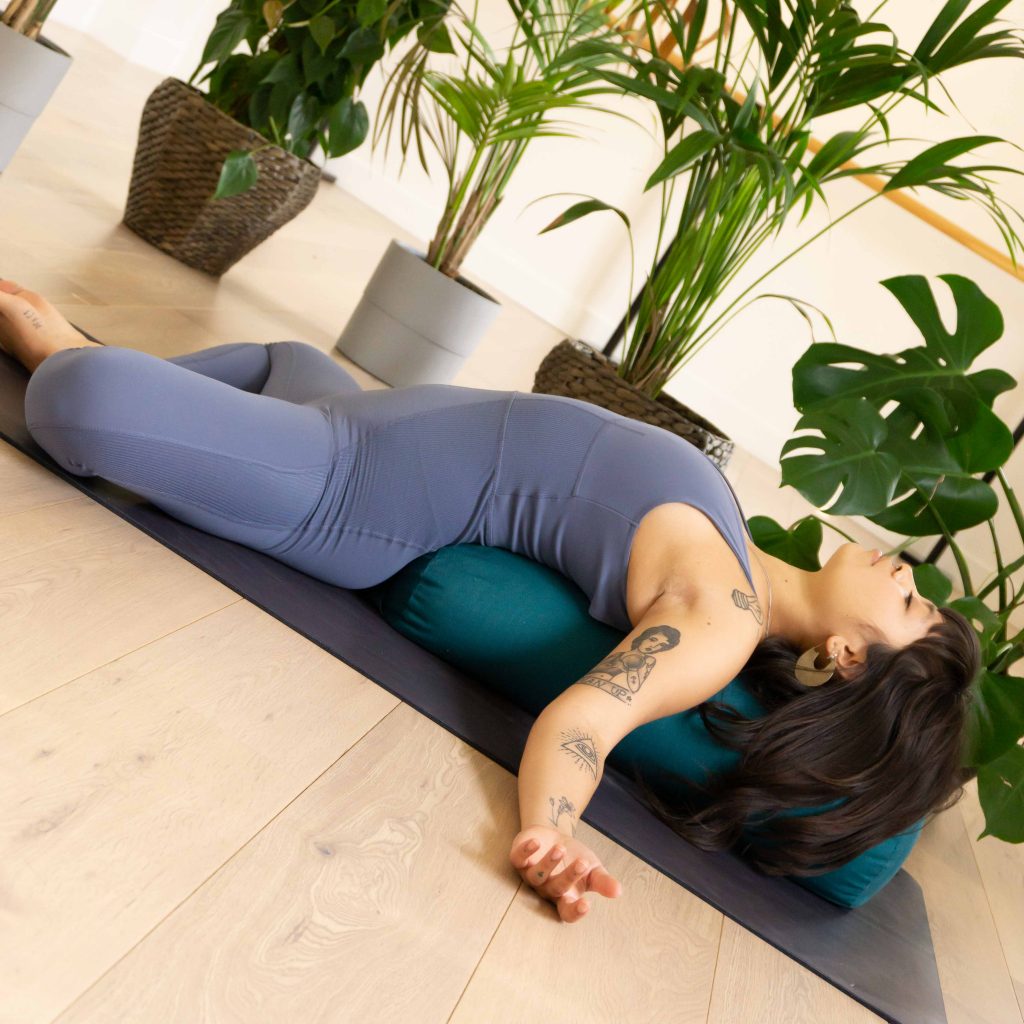
The idea behind this practice is to remain in grounded (non-standing) poses, finding the end of your comfortable range of motion and simply staying in this position, becoming accustomed to and friendly with the discomfort you find there. Here we come into direct contact with our ego minds, the part of our brains that says “hey that hurts a little, I’m unsafe! And being unsafe makes me angry! I hate yoga, this room, this teacher and my body!” When we notice ourselves feeling this resistance, and simply stay with it, we can lessen the polarization of our minds and make peace with it.
The second part of this practice, the physical aspect, is that when we hold these poses just at the point of discomfort for several minutes, we allow the fascia (connective tissue surrounding our muscles and organs and just EVERYTHING) to release, similar to the mechanism employed by myofascial release therapists, which can have a profound system-wide effect, bring up trapped emotional energy and allow it to release. Finally, when our fascia releases, the sustained posture begins to shift pressure to the plastic tissues (cartilage, ligaments) which require sustained pressure in order to become stronger.
Strengthening the joints while practicing deep breathing, releasing the muscles and fascia, and cultivating a meditative mindset toward the body? Wow! And on top of that, when we are able to relax into this practice, the restorative nature can even encourage healthy weight loss if that is something the body would benefit from, as true relaxation stimulates a strong metabolism and healing in the body. It’s truly a disservice to yin that so often it’s thought of as merely stretching. Beginning to see this yin practice as the true and necessary opposite to yang practices like vinyasa and ashtanga is how our yoga practices will begin to resemble the balance we seek in our bodies.
 Heather Ralston